
Single-Wide vs Double-Wide Mobile Homes in Arizona: Which Is Better?
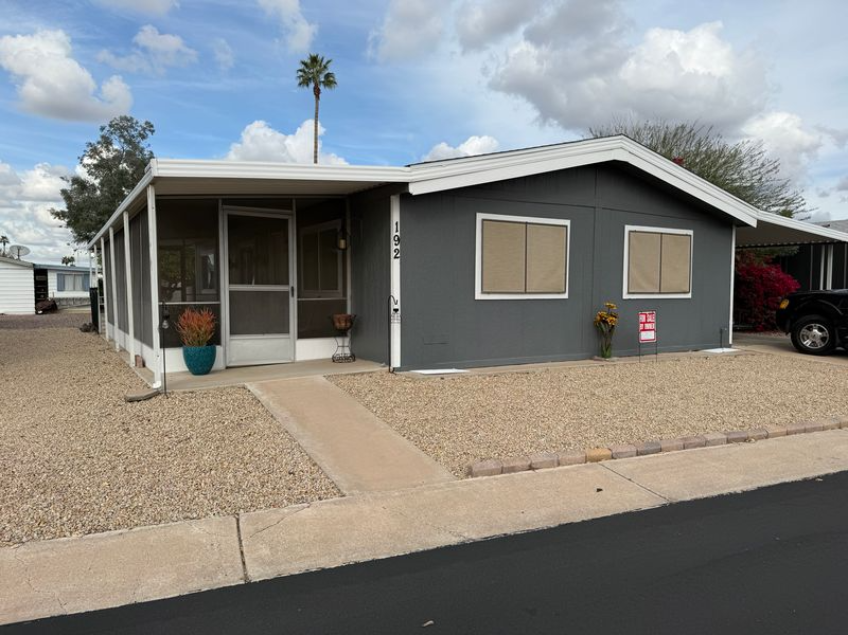
When comparing single-wide vs double-wide mobile homes in Arizona, the better choice depends on your budget, household size, preferred community, and long-term plans. A single-wide is generally better for buyers who prioritize affordability, efficient use of space, and simpler maintenance. A double-wide is usually more suitable for families and long-term residents who want larger rooms, additional bedrooms, and more storage.
Neither option is automatically right for every buyer. Before making a decision, compare the purchase price, total monthly cost, available space, home condition, community requirements, and possible financing options.
What Is the Difference Between a Single-Wide and Double-Wide Mobile Home?
The primary difference between a single-wide and a double-wide is how each home is manufactured, transported, installed, and arranged inside.
What Is a Single-Wide Mobile Home?
A single-wide mobile home is manufactured and transported as one complete section. It generally has a long, narrow floor plan and occupies a smaller lot than a double-wide.
Single-wide mobile homes in Arizona are often attractive to individuals, couples, retirees, and first-time buyers. Their smaller size may mean a lower purchase price, fewer rooms to clean, and less interior and exterior space to maintain.
However, the actual cost and efficiency of a single-wide depend on the home’s age, condition, insulation, appliances, roof, and HVAC system.
What Is a Double-Wide Mobile Home?
A double-wide is built in two separate sections. These sections are transported to the property and professionally joined during installation.
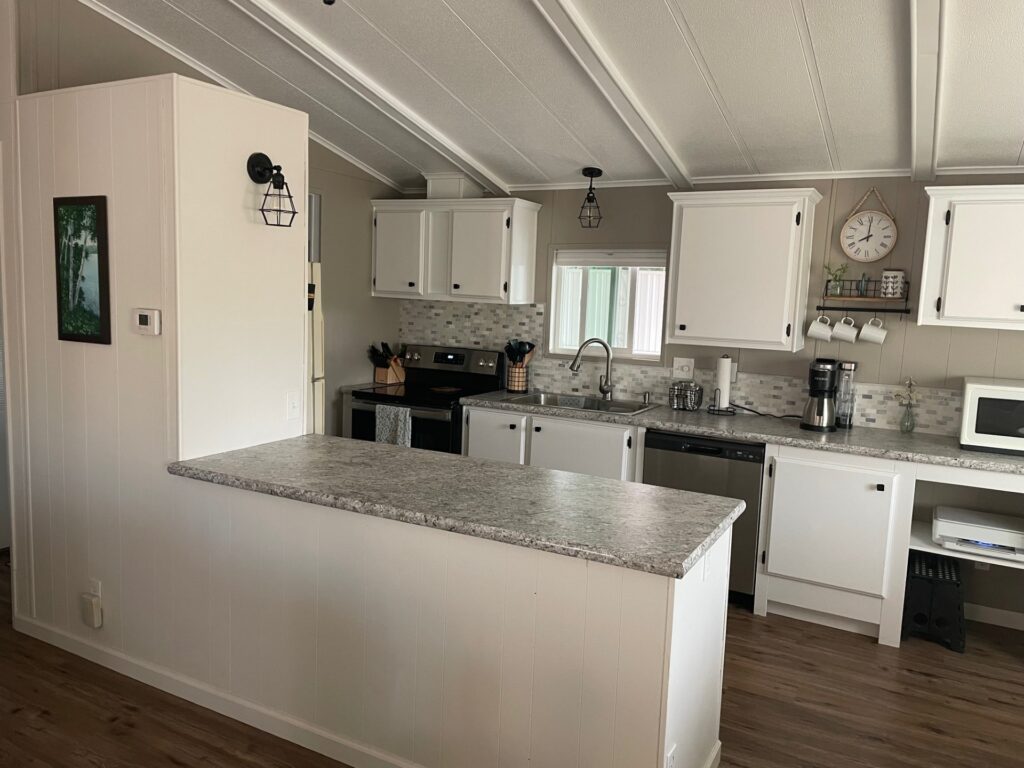
Double-wide mobile homes in Arizona typically offer wider living areas, larger kitchens, additional bedrooms, more storage, and one or more extra bathrooms. Their wider layouts often feel more like traditional site-built homes, making them popular with families, remote workers, and buyers who expect to remain in the home for several years.
Single-Wide vs Double-Wide: Quick Comparison
| Comparison Factor | Single-Wide | Double-Wide |
| Purchase price | Usually lower | Usually higher |
| Living space | Compact and efficient | Larger and more spacious |
| Transportation | Moved as one section | Moved as two sections |
| Installation | Generally simpler | Requires joining two sections |
| Maintenance | Less area to maintain | More area to maintain |
| Best suited for | Individuals, couples, and retirees | Families and long-term buyers |
| Cooling costs | May be lower due to less space | May be higher due to more space |
| Layout | Long and narrow | Wider and more house-like |
The exact price, size, condition, and monthly cost will vary based on the manufacturer, age, location, renovations, community, land arrangement, and current market conditions.
Which Costs More in Arizona: A Single-Wide or Double-Wide?
When comparing single-wide vs double-wide cost in Arizona, double-wide homes generally have higher purchase prices because they provide more square footage and additional rooms.
Transportation and installation expenses may also be higher when a double-wide is being moved or newly installed. However, these costs may not apply when the home is already installed in an established mobile home community.
Buyers should compare more than the listing price. The complete cost of buying and owning a mobile home may include:
- Purchase price or down payment
- Monthly financing payment
- Mobile home insurance
- Applicable property taxes
- Community or association fees
- Utility expenses
- Repairs and maintenance
- Moving and setup costs, when applicable
- Mobile home lot rent in Arizona
A lower-priced single-wide may be the better financial option for someone who does not need extra rooms. A double-wide may offer better long-term functionality for a growing household that would otherwise need to move into a larger home later.
Which Offers More Space and Comfort?
A single-wide can provide comfortable living for buyers who prefer a simple floor plan and do not need separate dining, office, or guest areas. Its smaller footprint may also make cleaning, furnishing, and routine maintenance easier.
A double-wide may provide:
- A wider living room
- A larger kitchen
- Additional bedrooms
- More than one bathroom
- Dedicated dining space
- A home office
- Larger closets and storage areas
- More flexibility for guests or family members
Is a Double-Wide Worth the Extra Cost?
A double-wide may be worth the additional expense when the buyer genuinely needs more living space and expects to stay in the home for several years. The extra room may be valuable for families, remote workers, or retirees who frequently host guests.
However, paying for unused space may not make financial sense for an individual, couple, or retiree who prefers affordable and low-maintenance living.
Arizona-Specific Factors to Consider
Arizona buyers should consider climate, community rules, lot arrangements, and cooling costs in addition to the size of the home.
Community and Lot Requirements
Before purchasing, confirm that the selected mobile home community in Arizona allows the home’s age, dimensions, and condition. Buyers should also review:
- Monthly lot rent
- Age restrictions
- Pet policies
- Parking rules
- Community approval requirements
- Available amenities
- Income or background requirements
- Guest and occupancy rules
Some communities are reserved for residents aged 55 and older, while others operate as all-age mobile home parks in Arizona.
Community approval and financing approval are also separate processes. A buyer may qualify for one but still need to complete the other before moving forward.
Arizona Climate and Energy Efficiency
Arizona’s hot summers make cooling-system performance especially important. Buyers in Mesa, Phoenix, Apache Junction, and other Phoenix Metro communities should inspect the HVAC system, roof, insulation, windows, doors, ductwork, and sun exposure.
A larger double-wide may require more energy to cool, but size is not the only factor. An updated double-wide with good insulation and an efficient HVAC system could cost less to cool than an older single-wide with air leaks and outdated equipment.
When possible, ask about the HVAC system’s age, service history, and recent summer utility costs.
Leased Land vs Owned Land
Some buyers purchase the home while leasing the land underneath it. Others purchase a manufactured home together with its land.
Buying a home on leased land usually means paying monthly lot rent in addition to the home payment. Lot rent may cover certain community services or amenities, but what is included varies by park.
Land ownership can affect financing, taxes, resale considerations, and the total purchase price. Buyers should confirm whether they are purchasing the home only or both the home and land.
Who Should Buy a Single-Wide Mobile Home in Arizona?
A single-wide may be the better choice for:
- First-time buyers with limited budgets
- Individuals or couples
- Retirees who want less maintenance
- Buyers who prefer lower upfront costs
- People comfortable with a compact layout
- Buyers searching for affordable mobile homes in Arizona
Single-wide homes may also fit on smaller community lots and can provide a practical entry point into homeownership. However, buyers should still inspect the home carefully and compare the total monthly cost before making a decision.
Who Should Buy a Double-Wide Mobile Home in Arizona?
A double-wide may be more suitable for:
- Families needing multiple bedrooms
- Buyers who work from home
- Retirees who regularly host guests
- Long-term residents
- Households needing more storage
- Buyers who prefer a traditional home-like layout
People exploring double-wide mobile homes for sale in Arizona should compare the value of the additional space with the higher purchase price, potential cooling costs, and larger maintenance area.
Frequently Asked Questions
Is a Double-Wide Better Than a Single-Wide?
A double-wide is generally better for buyers who need additional bedrooms, storage, and living space. A single-wide may be better for people who prioritize affordability, efficient use of space, and easier maintenance.
Which Is Cheaper to Maintain?
A single-wide is often less expensive to maintain because it has less flooring, roofing, siding, and interior space. However, the home’s age, condition, previous repairs, HVAC system, and renovation quality can have a greater impact than size alone.
Do Double-Wide Mobile Homes Hold Their Value Better?
A double-wide does not automatically have better resale value. Value depends on the home’s condition, location, community demand, maintenance history, land ownership, upgrades, and local housing market. Buyers should not rely on size alone when evaluating future resale potential.
Can You Finance Both Types in Arizona?
Financing may be available for both single-wide and double-wide homes. Approval and terms can depend on the borrower’s qualifications, the home’s age and condition, lender requirements, land arrangement, and community approval.
Although buyers often use the terms “mobile home” and “manufactured home” interchangeably, the property’s official classification may also affect available financing options.
Find the Right Arizona Mobile Home with Win Mobile Homes
The best option in the single-wide vs double-wide mobile homes in Arizona comparison depends on how much space you need, what you can comfortably afford, and how long you plan to remain in the home.
A single-wide is often ideal for buyers seeking affordable, simple, and low-maintenance living. A double-wide may be better for families or long-term residents who need more bedrooms, storage, and flexibility.
Win Mobile Homes can help you compare available single-wide and double-wide homes, community requirements, and possible financing routes based on your circumstances. Home availability, community approval, and financing terms vary by buyer and property.
- Phone: (602) 888-2274
- Email: info@winmobilehomes.com
- Address: 8103 East Southern Avenue, Mesa, AZ 85209
- View Win Mobile Homes on Google
Contact Win Mobile Homes to explore available single-wide and double-wide mobile homes in Arizona and find an option that fits your budget, preferred location, and lifestyle.